
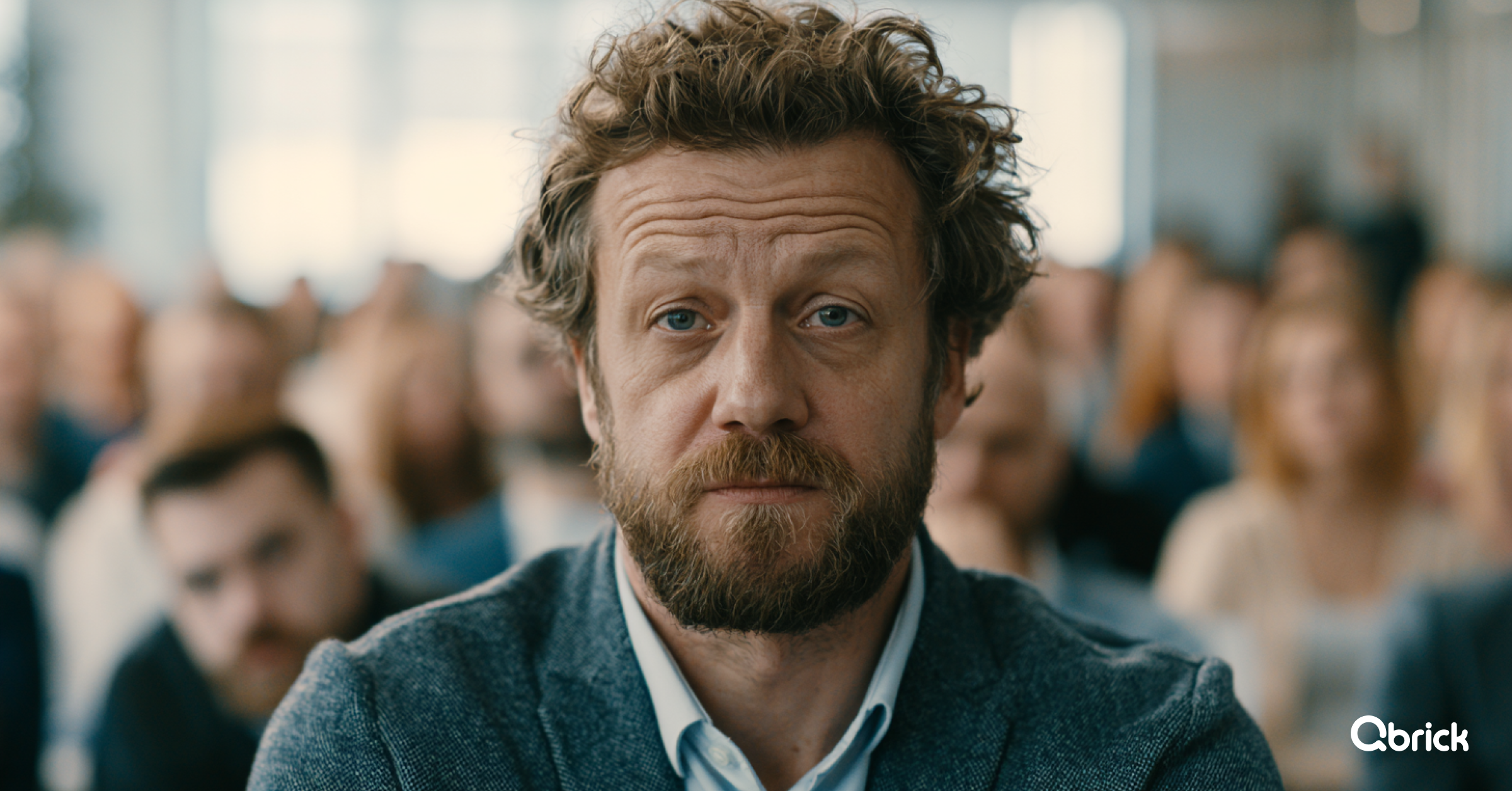
Every September, a version of the same scenario plays out in HR teams across the country. A hiring surge over the summer means 15, 20, sometimes 50 new employees starting within the same few weeks.
Calendars fill up with introductory meetings. Managers who are already busy suddenly become full-time orienteers. Important information gets communicated differently depending on who you end up with.
By week three, some new hires feel settled. Others are still waiting to understand how to submit an expense or who to call when something breaks.
The problem with scaling onboarding isn’t a lack of effort. It’s that the process was designed for two people and nobody rebuilt it for twenty or more.
Why one-to-one onboarding breaks down
When a company is small, onboarding is personal. A manager sits with the new hire, walks them through everything, answers questions in real time. It works well precisely because it’s bespoke.
But that model doesn’t scale. When 30 people start in the same week, managers can’t give each of them the same time and attention. What happens instead is improvisation. Some new hires get thorough walkthroughs. Others get a quick overview and a link to an internal wiki that hasn’t been updated since 2022. The quality of someone’s first month ends up depending on which manager they got assigned to, which is not a quality standard most HR teams would sign off on.
What gets lost
Two things disappear when onboarding scales without a proper system: consistency and visibility.
Consistency means every new hire gets the same core information, delivered the same way, regardless of team, location, or manager.
Without it, knowledge gaps emerge early and quietly. A new hire in Helsinki might spend their first month without knowing about a process their Stockholm colleagues learned on day one.
Visibility means knowing where every new hire is in the process and whether they’re actually ready to work independently. Without it, a new hire can appear to be progressing while missing critical knowledge, and nobody finds out until something goes wrong.
What actually works at scale
Companies that onboard large numbers of people consistently well tend to separate the structured from the human.
The structured part: product knowledge, company processes, compliance, tools – belongs in a course. The same course, for everyone, delivered at their own pace within a defined timeframe. Short video lessons work better than documents and slide decks because they’re faster to get through and easier to pay attention to. A new hire can complete a module between their first two meetings, revisit a section if they need to, and move through the material without waiting for a manager’s schedule to clear.
The human part: culture, relationships, team dynamics, real questions – stays with the manager and the team. That’s where their time is better spent anyway.
When the structured content is handled by the course, managers get time back. HR gets visibility: who has completed the onboarding, who is behind, and who might need a check-in before they’re expected to work independently.
Building it doesn't have to take months
The reason most companies never build a proper onboarding course is that the production effort feels too large. Scripts, recording, editing, uploading, maintaining. By the time it’s ready, half the information is already out of date.
AI changes that calculation. You can generate a full onboarding course, including scripts, video lessons with an AI avatar presenter, and quiz questions, in an afternoon. When something changes, you update the relevant lesson rather than rebuilding from scratch.
With 50 new hires starting in September, that’s worth doing before August ends.
Onboard your autumn hires before they start.
Build a full onboarding course with AI in an afternoon. Deliver it to every new hire at once and track who’s ready to work independently.